Call to Action Partner, support, or volunteer to create lasting impact. Join Us in Building a Healthier, Empowered Generation.
Health & Wellbeing
Accessible, youth-friendly health services that save futures.
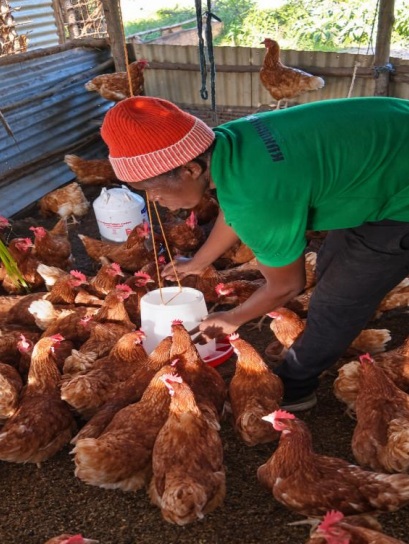
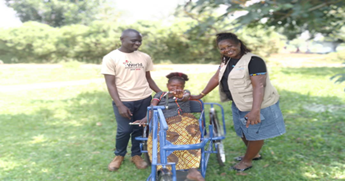
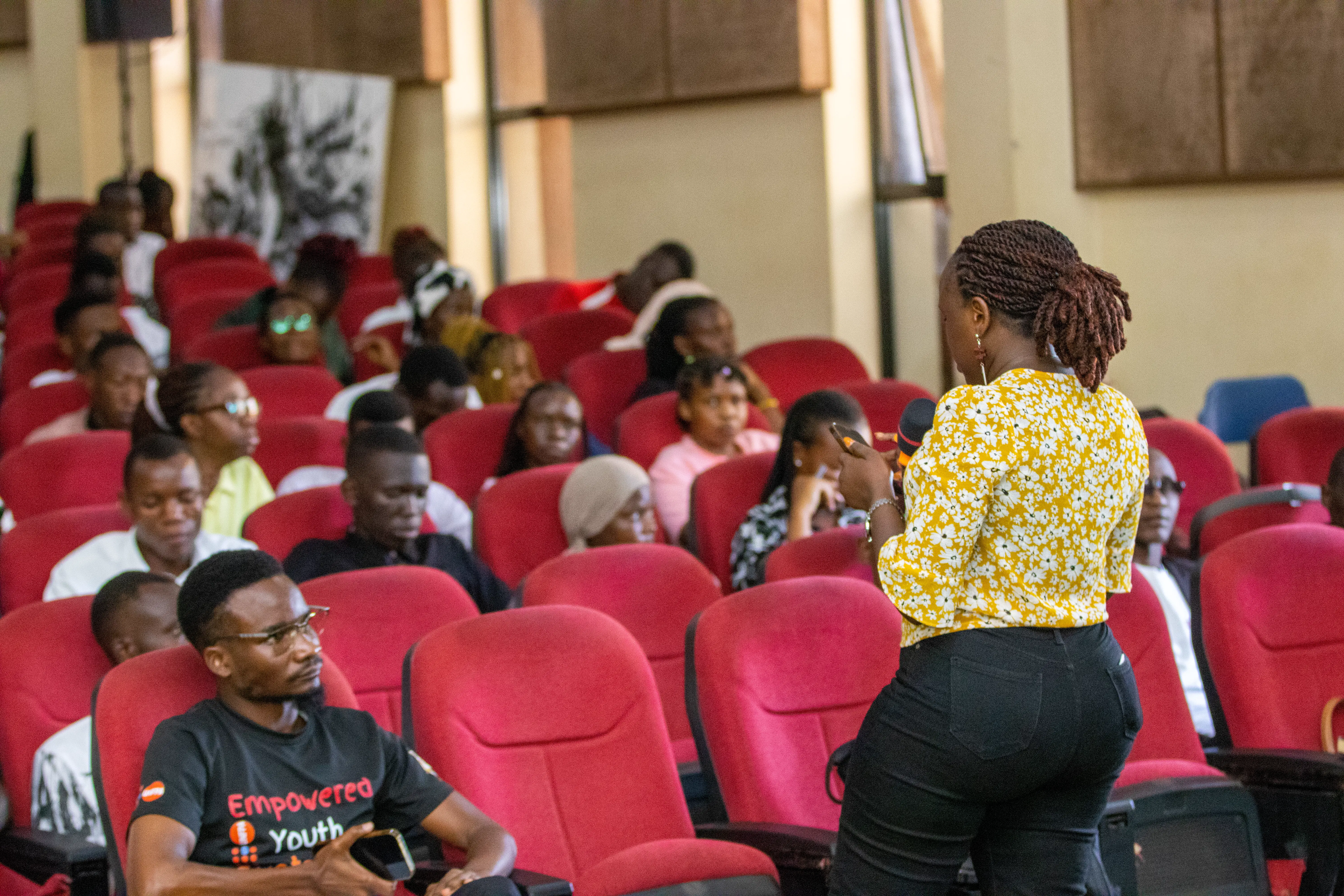
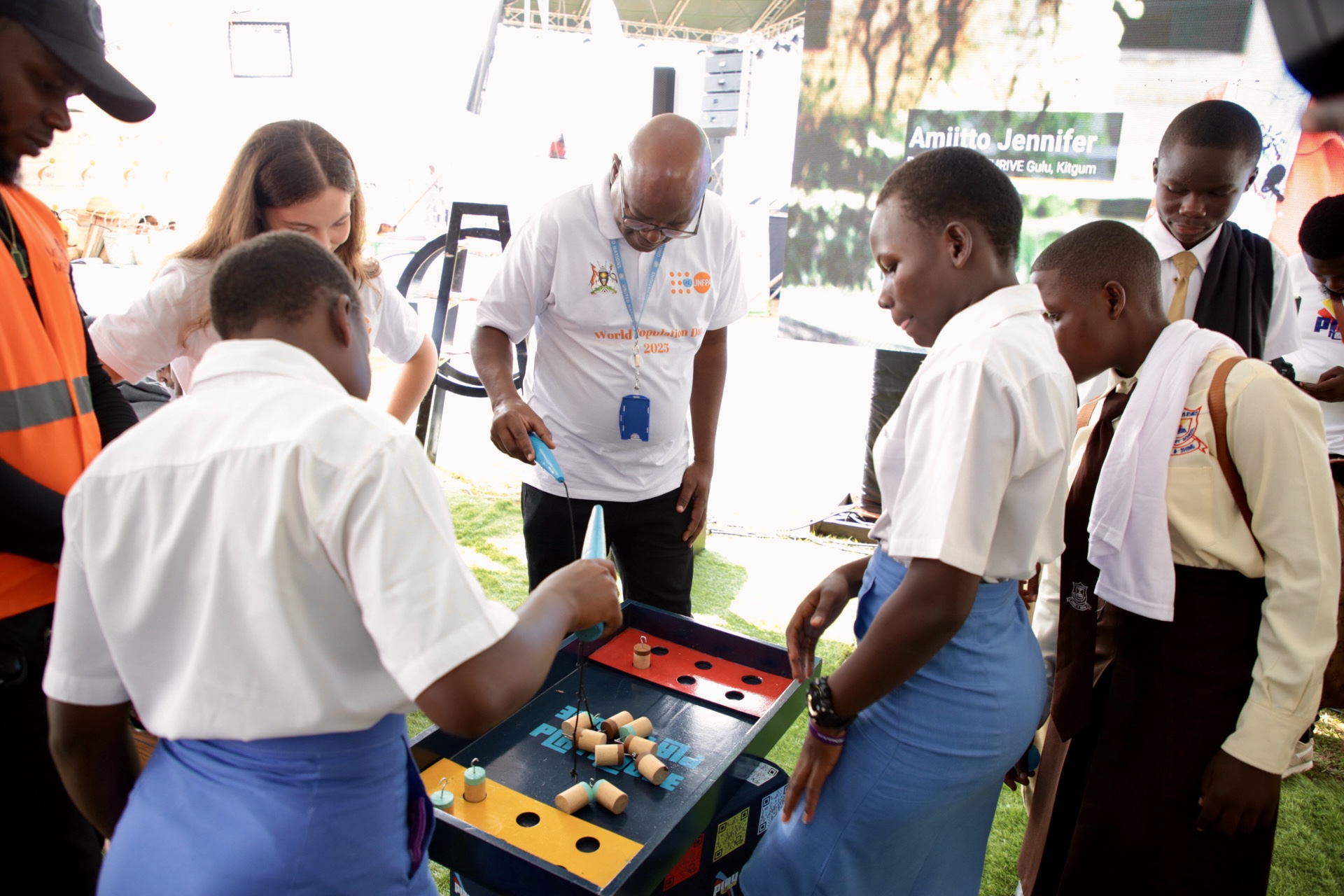
Ensuring young voices shape policies and programs Participation & Advocacy Championing informed, confident, and healthy young people. Young Voices. Bold Choices. Brighter Futures. Empowering young people to build sustainable livelihoods. From Skills to Income. From Dreams to Dignity. Supporting informed and responsible decisions Your Body. Your Health. Your Rights. Transforming societies from the ground up Empowered Youth Build Peaceful, Prosperous Communities. Practical skills that unlock economic independence. Turning Potential into Paychecks Youth Are Not the Future — They Are the Now Investing in today’s generation for immediate and lasting impact. Confidential, respectful sexual and reproductive health services. Knowledge Is Protection. Choice Is Power. humanity
starts with
we need your help Charity
humanity
starts with
we need your help Charity
humanity
starts with
we need your help Charity
humanity
starts with
we need your help Charity
humanity
starts with
we need your help Charity
humanity
starts with
we need your help Charity
humanity
starts with
we need your help Charity
humanity
starts with
we need your help Charity
Ensuring young voices shape policies and programs End FGM
Empowering Adolescents Through Integrated SRHR Access, Transformative Knowledge, and Sustainable Livelihood Pathways in West Nile and Busoga

SRHR Enconomic Empowerment

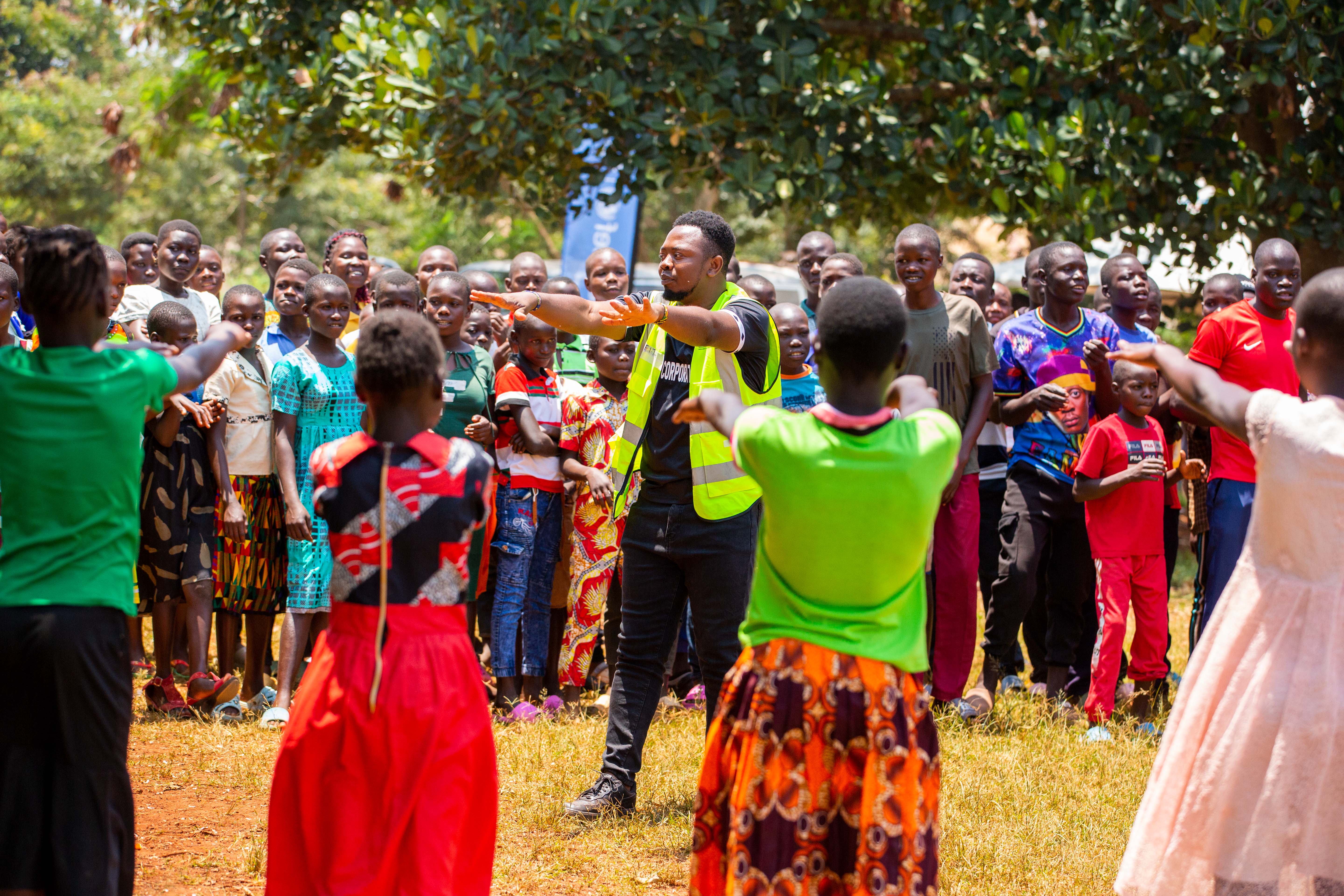
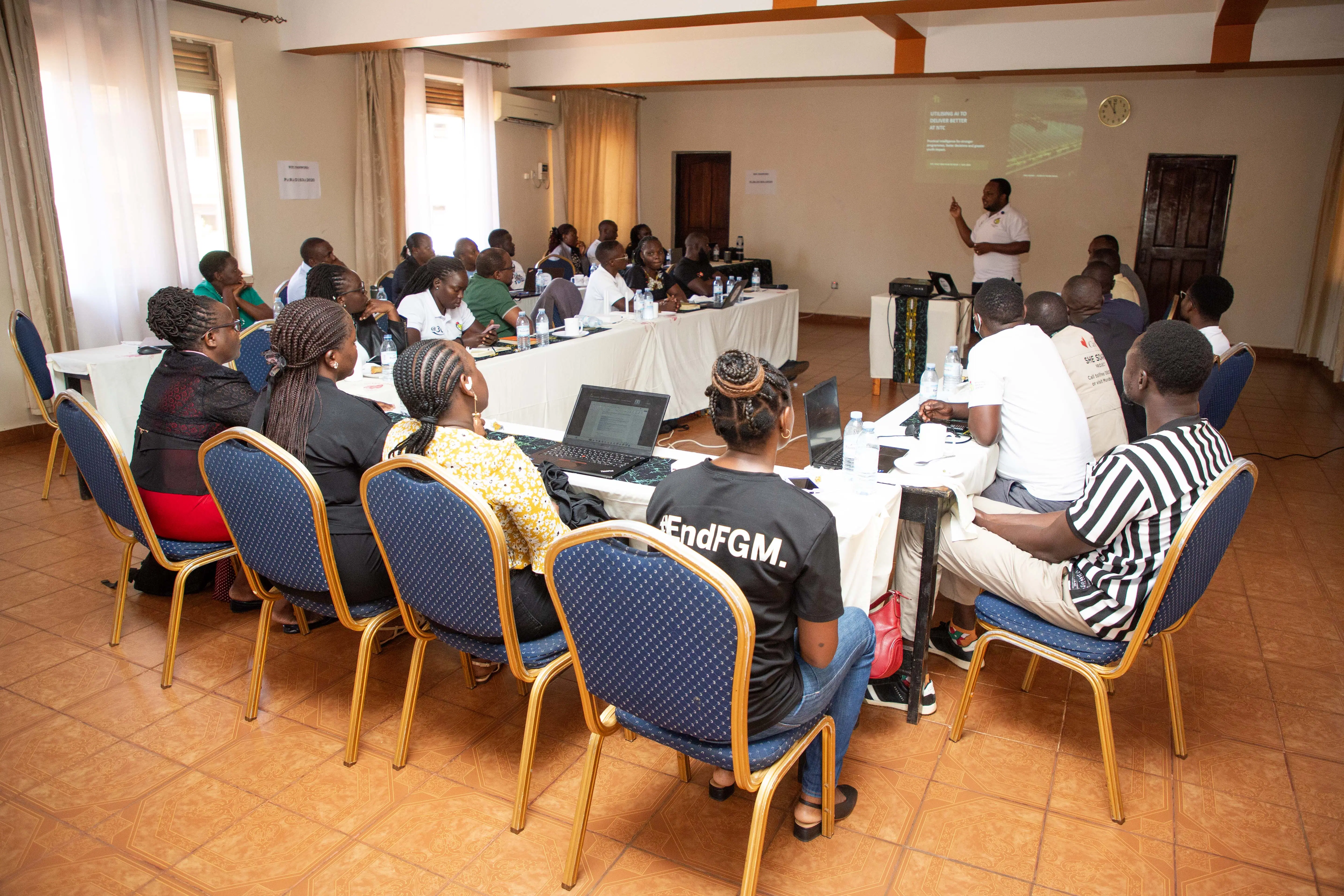
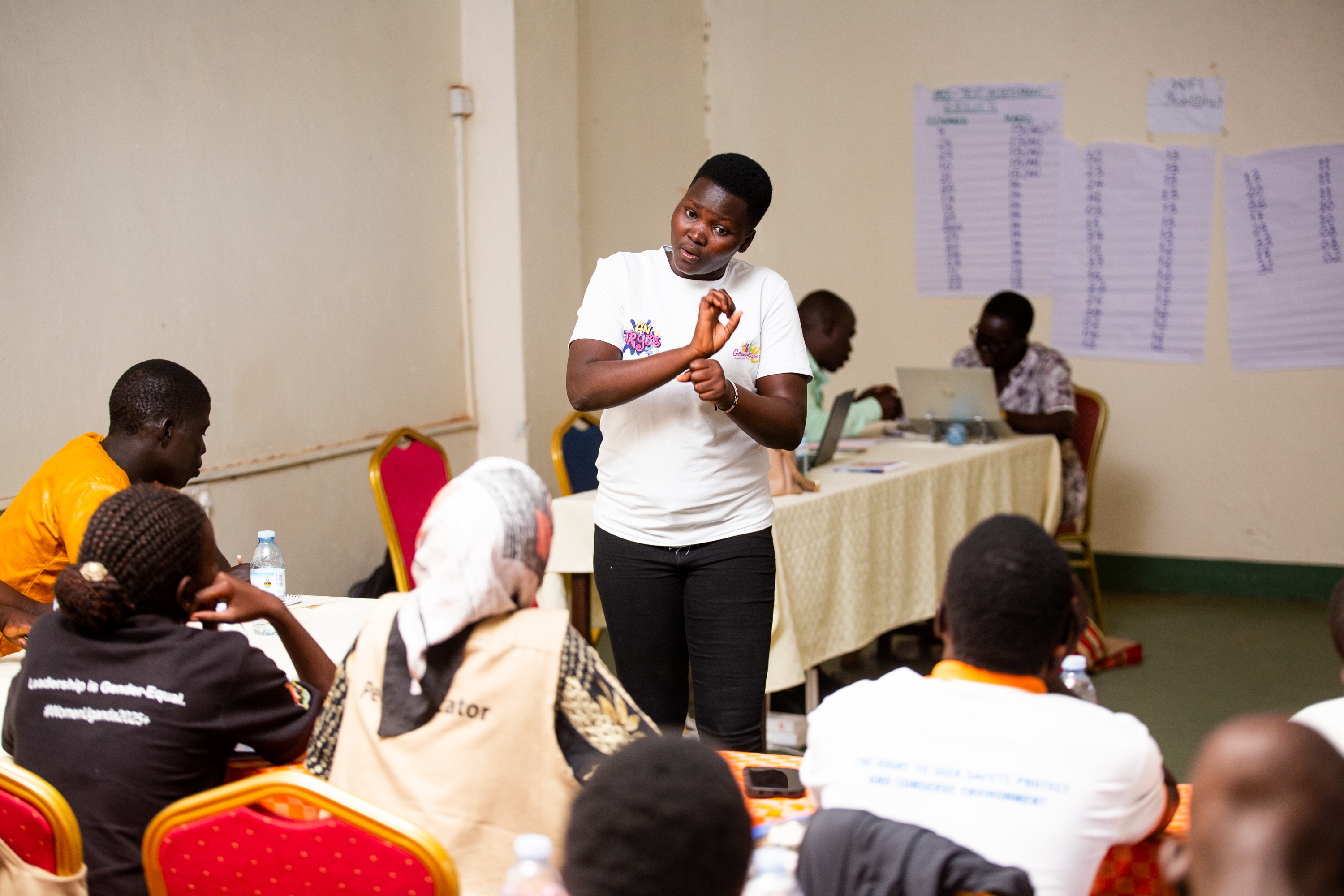
In the vibrant regions of West Nile and Busoga, NTC is cultivating more than just programs, it is nurturing possibility. Through a focused approach to Adolescent Sexual and Reproductive Health and Rights (ASRHR) and economic empowerment, these initiatives are opening doors for adolescents, especially out-of-school girls who are often left at the margins. By expanding equitable access to essential health services, strengthening knowledge and reshaping attitudes, NTC is helping young people claim greater agency over their bodies and futures. At the same time, practical pathways to improved livelihoods are being built through peer group support, Youth Savings and Loans Associations (YSLAs), targeted skilling programs, and the Community Score Card (CSC) approach. Together, these efforts form a living ecosystem where health, confidence, and economic independence grow side by side.
200516
Young People Reached
105
Facilities Supported
2119976
Our reach in 2025
28
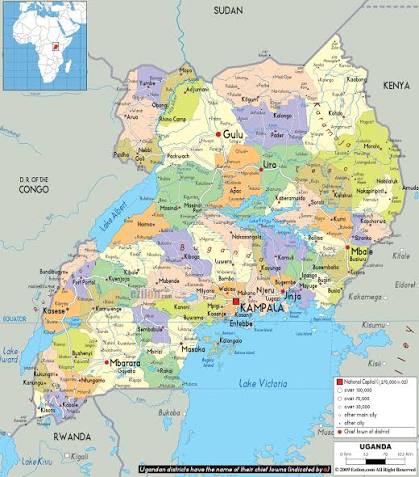
Districts Reached

Reach out to us with Ideas on how to make the lives of Young People better:

Call Now 0800311222.

30+
years of experience
Who we are

Naguru Teenage Centre

Founded in 1994, NTC is a pioneer NGO in Uganda dedicated to Adolescent Sexual and Reproductive Health and Rights (ASRHR). For over 30 years, it has provided youth-friendly services, advocacy, and policy influence for young people aged 10-24. Currently based at Kiswa Health Center III, NTC offers a range of ASRHR services.

Goal

Adolescents and young people in Uganda are healthy, productive, and empowered to lead fulfilling lives.

Mission

To advance the well-being of adolescents and young people by ensuring access to holistic and responsive health services and by promoting opportunities for economic empowerment.

Vision

A Model institution nurturing healthy, empowered, and productive young people.

Latest news

Muvubuka News

Understanding Ebola: Recognizing the Signs and Symptoms Early

Stay alert. Stay informed. Stop Ebola.

What is Ebola

What is Ebola

Ebola spreads through direct contact with the body fluids of infected people or animals, including blood, vomit, urine, and feces. It can also spread through contaminated clothing, bedding, utensils, and sexual contact with an infected person. Preventing Ebola requires good hygiene, avoiding contact with infected individuals and their belongings, and seeking medical help immediately when symptoms appear. Public awareness and early action are key to stopping the spread of the disease.

DOWNLOAD TO KNOW MORE ABOUT EBOLA

Signs & Symptoms

Signs & Symptoms

Ebola Virus Disease (EVD) remains a serious public health threat that spreads through direct contact with the bodily fluids of an infected person or animal. As illustrated in the image, infection can occur through contact with blood, vomit, urine, feces, sweat, or other body fluids, as well as contaminated clothing, bedding, utensils, and surfaces. The disease can also spread through caring for infected individuals without proper protection, handling infected animals, and sexual contact with a survivor who still carries the virus. Preventing Ebola requires strict hygiene practices, avoiding direct contact with infected persons and their belongings, washing hands regularly, reporting suspected cases promptly, and following guidance from health authorities. Community awareness and early action are essential in breaking the chain of transmission and protecting families and communities from the devastating effects of Ebola.

Ebola Virus Disease (EVD) SOPs

Ebola Virus Disease (EVD) SOPs

Ebola Virus Disease (EVD) Standard Operating Procedures (SOPs) provide essential guidelines for preventing, detecting, and responding to Ebola outbreaks. They promote infection prevention, proper use of PPE, early reporting of suspected cases, and safe patient management to protect both health workers and communities.

CLICK TO DOWNLOAD EBOLA VIRUS DISEASE SOPs

SOPs for Schools

SOPs for Schools

Ebola SOPs for schools provide practical guidelines to prevent and control the spread of Ebola within learning institutions. They emphasize regular hand hygiene, early identification and reporting of suspected cases, safe management of sick learners, and adherence to infection prevention measures to ensure a safe learning environment for students, teachers, and staff.