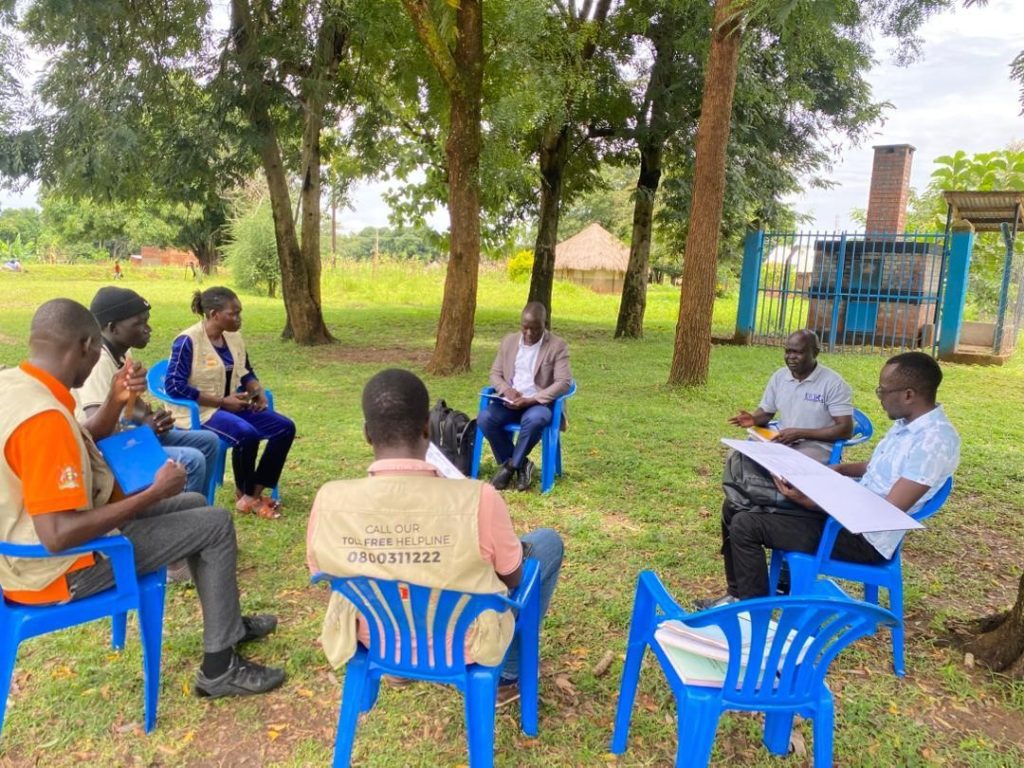
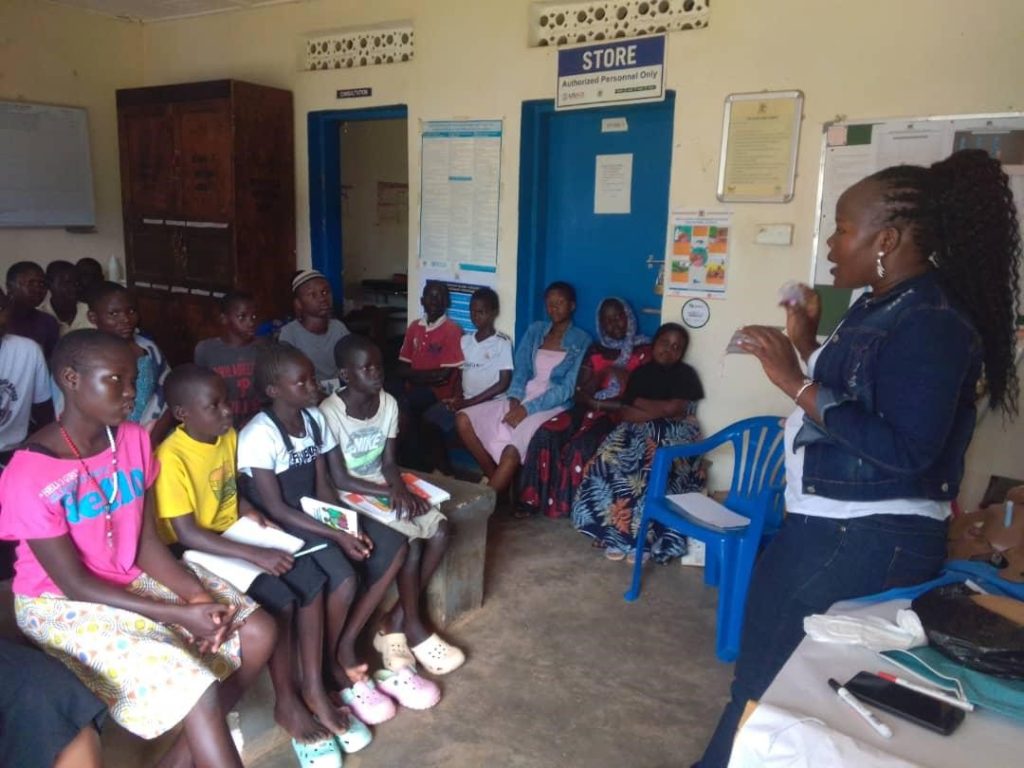
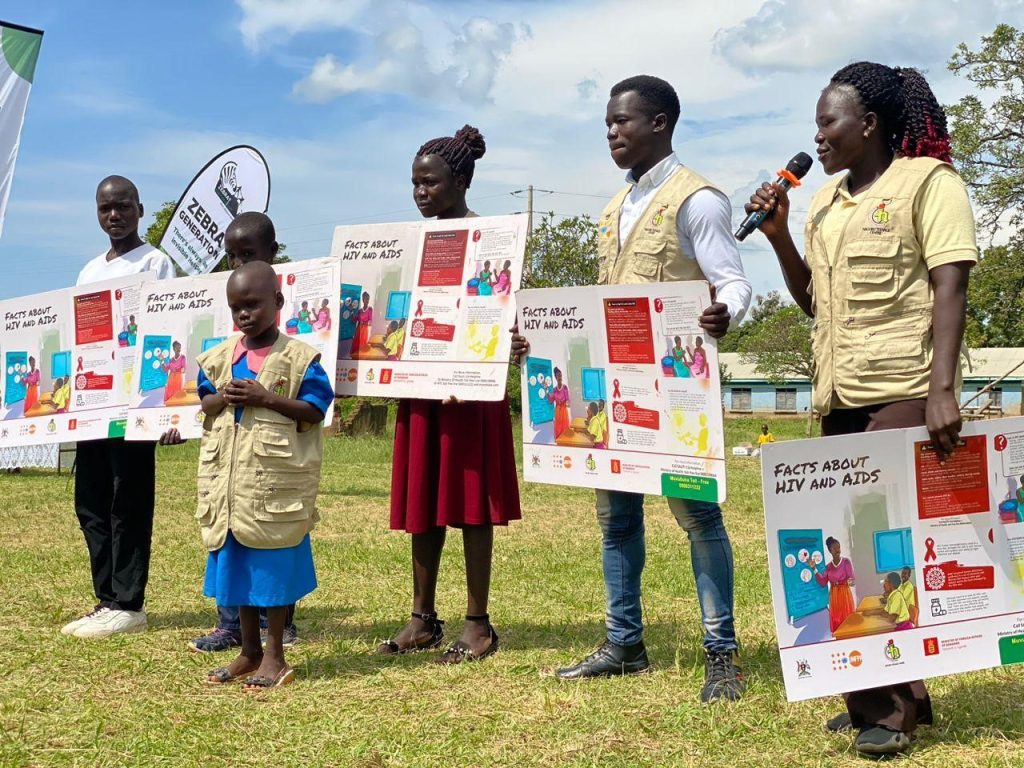
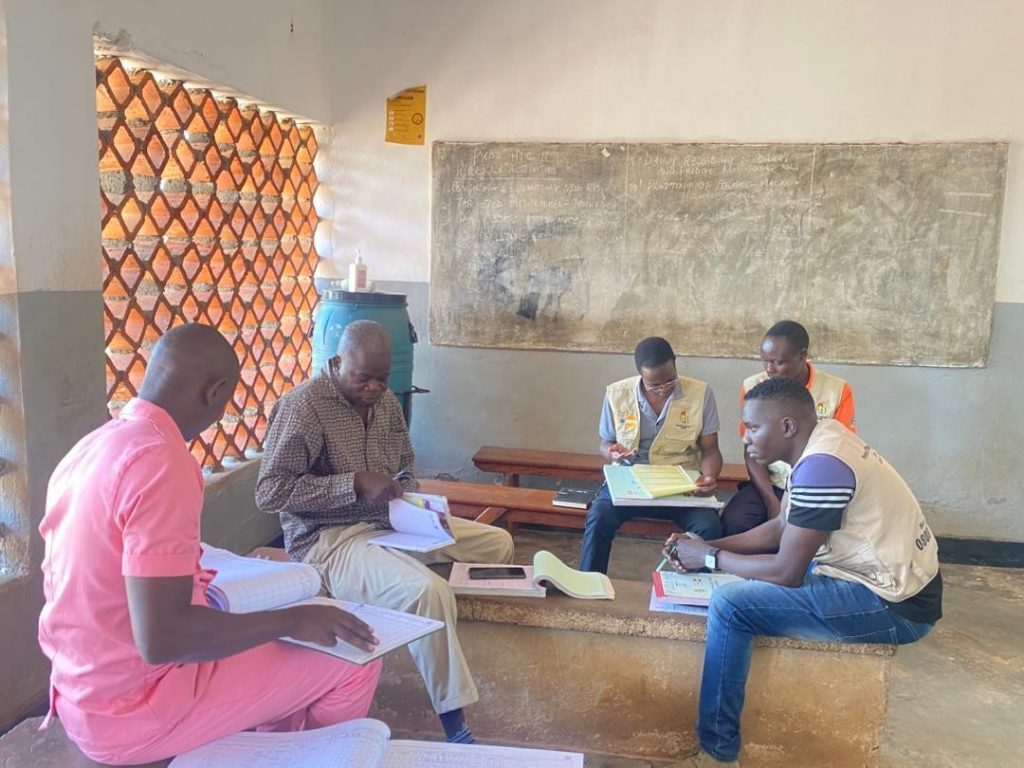
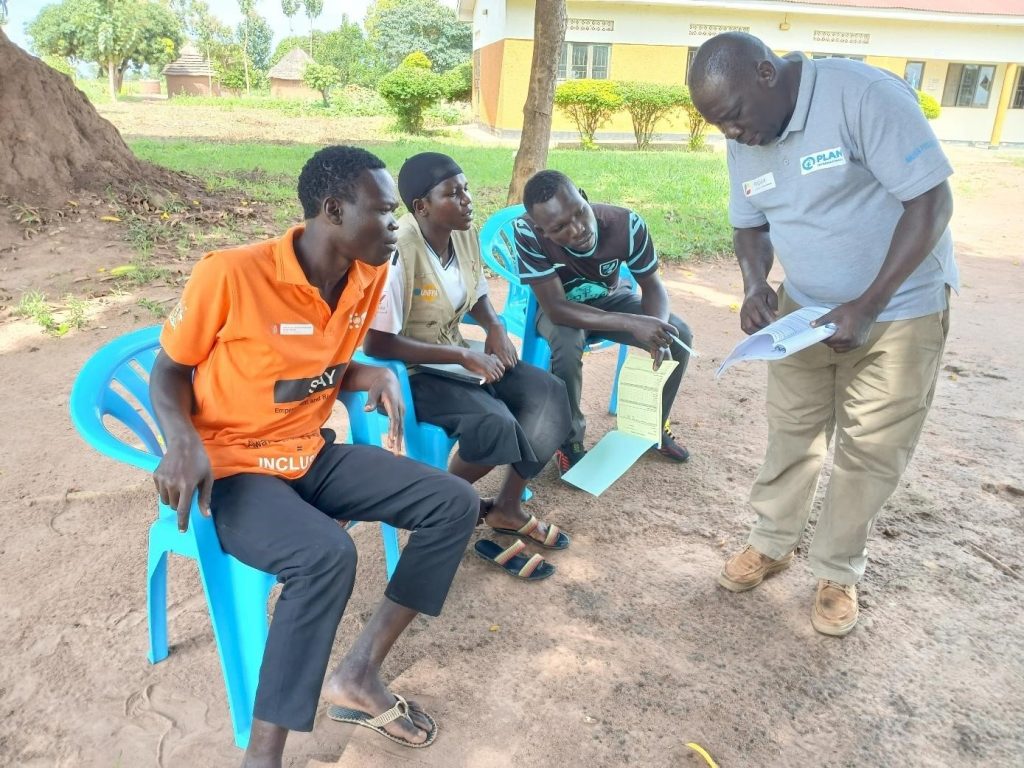
The project has recorded significant results through peer-led education, facility-based life skills sessions, community social and behavior change communication activities, digital health platforms, and advocacy engagements. A total of 157,925 young people accessed SRHR/GBV services across supported districts, while functional youth clubs reached over 2,100 adolescents with life skills and rights-based information. Flash mobs, interface meetings, mentorship sessions, and capacity building for health workers and peer educators have strengthened service uptake, accountability, and data use. Additionally, health facilities were supported with disability-responsive (ADH) materials to ensure inclusive service delivery. Through continuous monitoring and supportive supervision, SAY continues to bring essential SRHR/SGBV services closer to young people, contributing to improved health outcomes, protection, and empowerment for both refugee and host community adolescents and youth.