Sexual Reproductive Health and Economic Empowerment (SHE) Supporting Out-of-School Adolescent Girls’ Rights and Skills (SOARS) 2021-2029.
Sexual Reproductive Health & Economic Empowerment (SHE) Supporting Out-of-School Adolescent Girls’ Rights and Skills (SOARS) is a 7-year program that began in 2021. With funding from the Government of Canada (GAC) through CARE International in Uganda, this program is being implemented across 03 counties (Uganda, Kenya and Zambia). In Uganda, the SHE SOARS project is implemented across 04 districts in a consortium arrangement with Reach out Mbuya (ROM) in Kampala, Fund Trust Agency (FTA) in Terego, Restless Development (RD) and Naguru Teenage Centre (NTC) in Arua City and Madi-Okollo District respectively.
Programme Goal
To deliver inclusive, holistic Adolescent Sexual Reproductive Health and Rights (ASRHR), life skills, and financial literacy programming for out-of-school adolescent girls and boys between 10-19 years.
Objective
- To increase equitable use of SRHR Services by diverse groups of women, Adolescent girls and children’s rights holders, particularly out-of-school adolescent girls.
- To improve the provision of gender and adolescent responsive, inclusive and accountable health services and accountable health services by health care providers for diverse groups of women, adolescent girls and children’s rights.
- To improve the effectiveness of key stakeholders, particularly women and girls’ rights organisations, to advocate for evidence-based based accountable and equitable ASRHR Policies, legal frameworks and services.
Our Madate on the SHE SOARS program:
Enhance Access to Age-Appropriate Adolescent Sexual and Reproductive Health (ASRH) Information: working through the peer educators, NTC contributes to improving access to quality age-appropriate ASRH information for out-of-school adolescent girls and boys aged 10–19 years. Delivered through weekly community-based ASRH sessions, the young people receive accurate, relatable, and culturally sensitive health education. These sessions strengthen knowledge, shift harmful norms, and equip young people with skills to make informed decisions about their health and wellbeing.
Increase Demand for and Access to Essential Reproductive Health Services: The program works to ensure that out-of-school adolescents in targeted communities are aware of and able to seek, access essential reproductive health services. NTC supports community mobilisation, health education, and linkage pathways that connect adolescents to youth-friendly service points at the facilities, thus reducing barriers such as stigma, distance, misinformation, and cost.
Strengthen the Health System Through Youth-Led Social Accountability: NTC contributes to health system improvement by promoting meaningful youth participation through the Community Scorecard (CSC) methodology. Adolescents are supported to monitor the quality, responsiveness, and availability of health services, engage duty bearers, and co-create action plans for improvement. This strengthens transparency, accountability, and community ownership of adolescent health outcomes.
Promote Adolescent-Responsive Healthcare Delivery: Through quarterly mentorships and support supervision conducted by the District Health Team (DHTs), NTC contributes to strengthening the capacity of health workers to provide adolescent-responsive, healthcare services to young people. These interventions focus on building a health system that recognises the unique needs of adolescents, including confidentiality, respectful care, and appropriate service delivery models within supported health facilities.
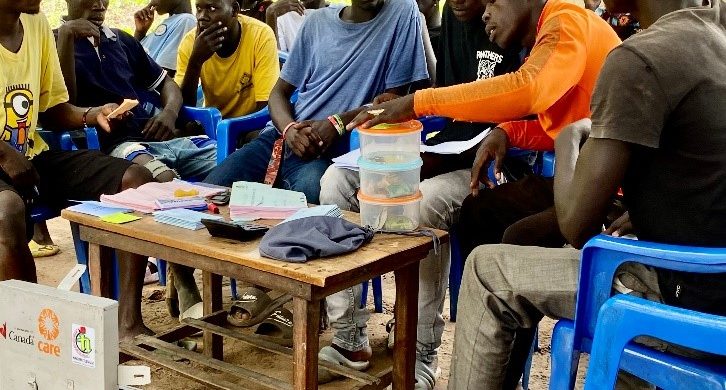
Support Economic Empowerment Through Youth Savings and Loan Associations (YSLA): NTC promotes adolescent economic resilience by establishing and strengthening Youth Savings and Loan Associations. These groups help adolescents learn financial literacy, develop savings habits, and access small loans for income-generating activities. This contributes to reducing financial vulnerability, improving self-reliance, and supporting adolescents, particularly girls, to overcome socio-economic barriers that hinder their health and life aspirations.
Facilitate Non-Formal Empowerment Through Skills Training and Apprenticeships: The project supports out-of-school adolescents to gain practical livelihood skills through apprenticeships, vocational training, and hands-on learning opportunities. This non-formal education empowers young people with employable skills, fosters independence, boosts self-confidence, and provides alternative pathways to sustainable livelihoods.