What is Ebola
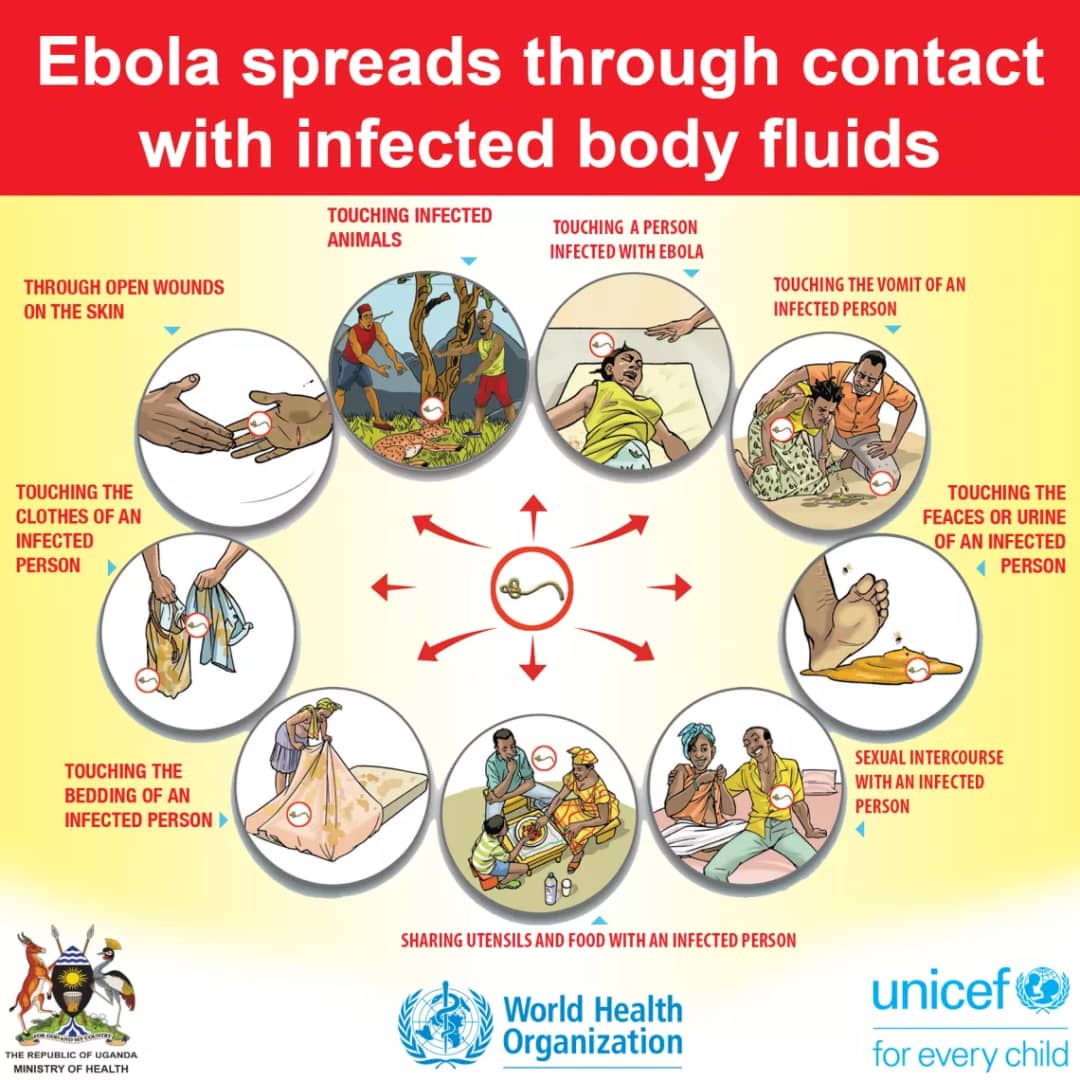
Ebola spreads through direct contact with the body fluids of infected people or animals, including blood, vomit, urine, and feces. It can also spread through contaminated clothing, bedding, utensils, and sexual contact with an infected person. Preventing Ebola requires good hygiene, avoiding contact with infected individuals and their belongings, and seeking medical help immediately when symptoms appear. Public awareness and early action are key to stopping the spread of the disease.
Signs & Symptoms
Ebola Virus Disease (EVD) remains a serious public health threat that spreads through direct contact with the bodily fluids of an infected person or animal. As illustrated in the image, infection can occur through contact with blood, vomit, urine, feces, sweat, or other body fluids, as well as contaminated clothing, bedding, utensils, and surfaces. The disease can also spread through caring for infected individuals without proper protection, handling infected animals, and sexual contact with a survivor who still carries the virus. Preventing Ebola requires strict hygiene practices, avoiding direct contact with infected persons and their belongings, washing hands regularly, reporting suspected cases promptly, and following guidance from health authorities. Community awareness and early action are essential in breaking the chain of transmission and protecting families and communities from the devastating effects of Ebola.
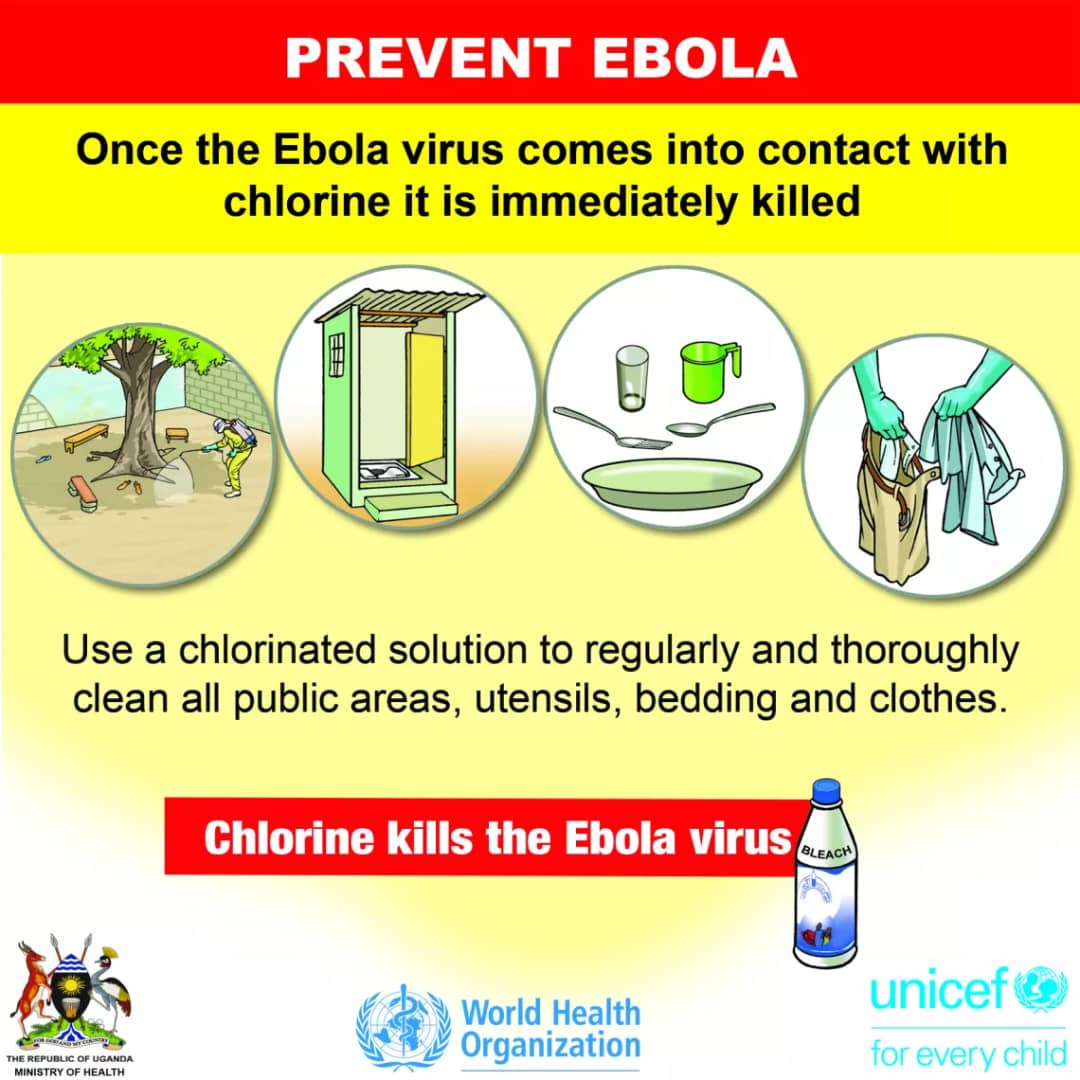
Ebola Virus Disease (EVD) SOPs
Ebola Virus Disease (EVD) Standard Operating Procedures (SOPs) provide essential guidelines for preventing, detecting, and responding to Ebola outbreaks. They promote infection prevention, proper use of PPE, early reporting of suspected cases, and safe patient management to protect both health workers and communities.
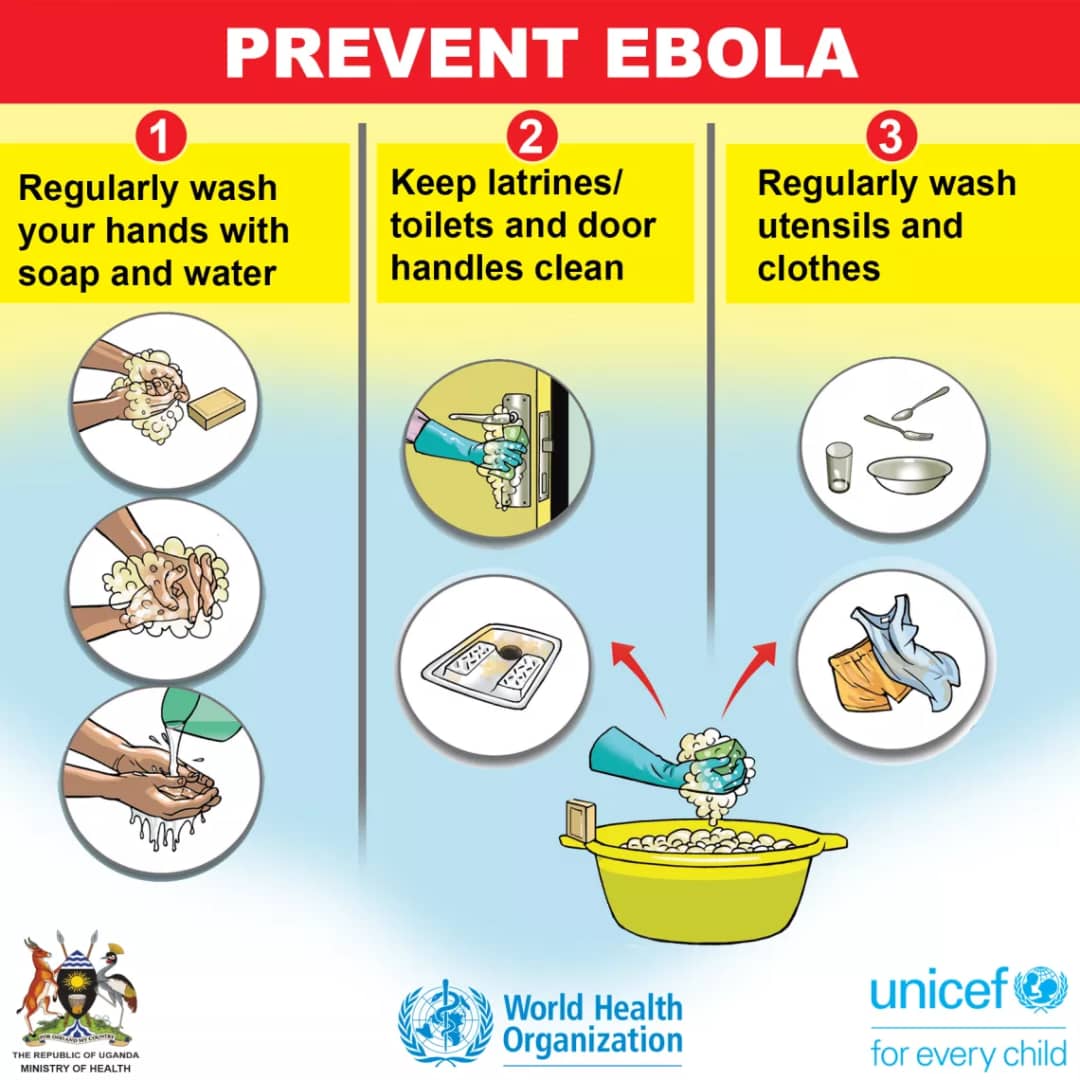
SOPs for Schools
Ebola SOPs for schools provide practical guidelines to prevent and control the spread of Ebola within learning institutions. They emphasize regular hand hygiene, early identification and reporting of suspected cases, safe management of sick learners, and adherence to infection prevention measures to ensure a safe learning environment for students, teachers, and staff.