Female Genital Mutilation (FGM)

Female Genital Mutilation (FGM) remains a grave violation of the rights, health, and dignity of girls and women, affecting over 200 million globally, with persistent prevalence in Uganda’s Karamoja and Sebei regions. Deeply rooted harmful social and cultural norms continue to expose girls to severe physical, psychological, and reproductive health consequences, including childbirth complications, chronic pain, and trauma. In line with Sustainable Development Goal (SDG) Target 5.3 on eliminating harmful practices, Naguru Teenage Centre (NTC), with support from UNFPA and under the UNFPA–UNICEF Joint Programme to End FGM and Child Marriage, is implementing targeted interventions to address the root causes of FGM through community-driven and culturally responsive approaches.

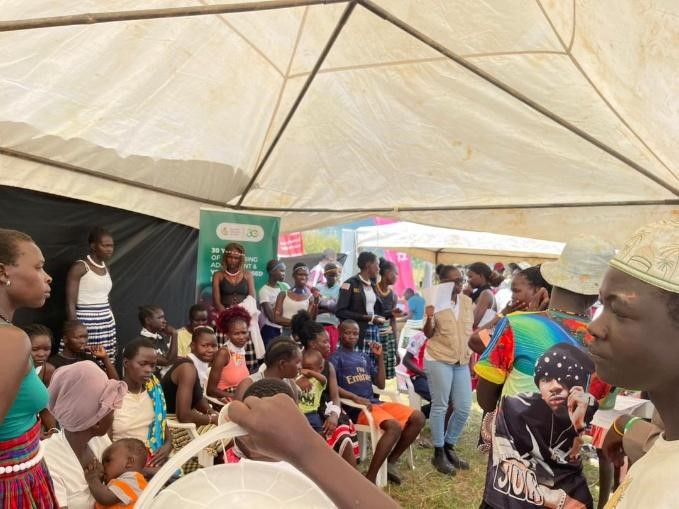
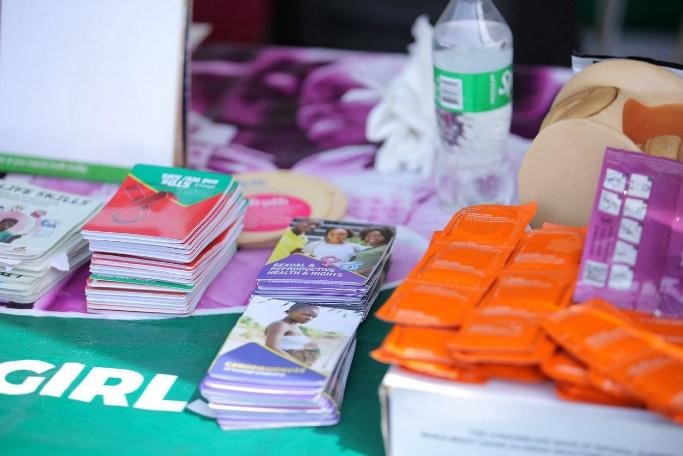
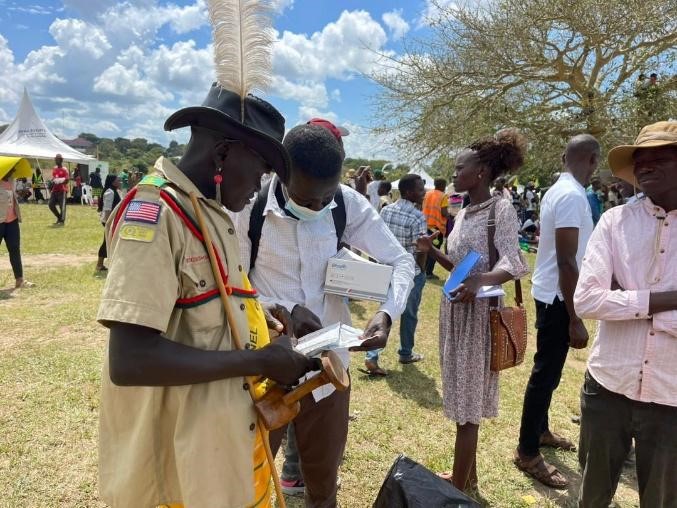
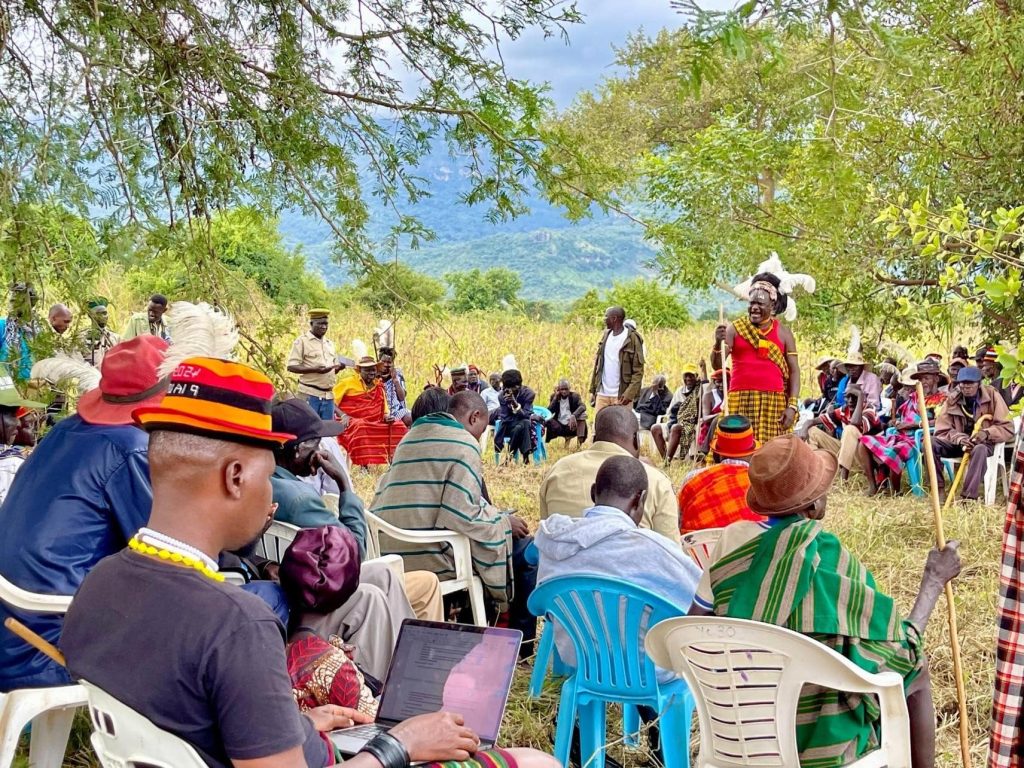
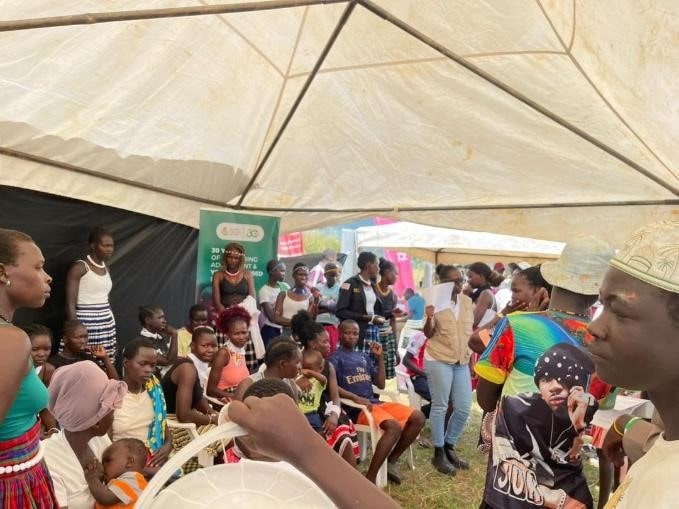
The project leverages high-impact platforms such as the Karamoja Cultural Event and community media to shift social norms, engage cultural and religious leaders, and empower young people and communities to abandon FGM. Through radio talk shows, interactive flash mobs, and structured community dialogues, the initiative raises awareness on the dangers of FGM, child marriage, and gender-based violence while promoting Sexual and Reproductive Health and Rights (SRHR). By embedding anti-FGM messaging within the broader context of positive cultural preservation, the project fosters collective commitment to protect girls and women, strengthen community ownership of change, and nurture a future where culture evolves without harm.

canada
DENMARK
download
Picture2
Picture3
Picture4
Picture5
Picture6
unicef-1-150x80